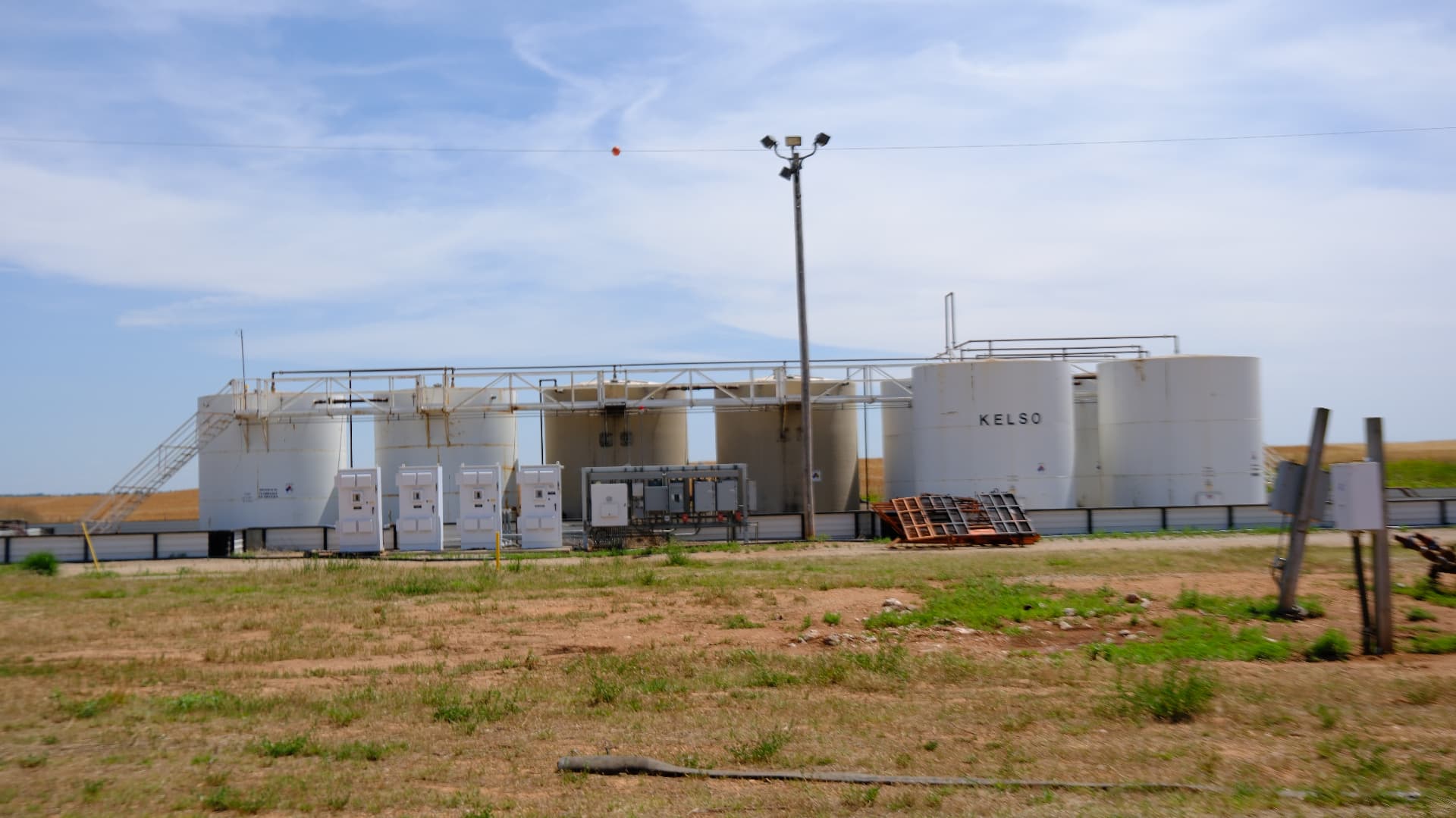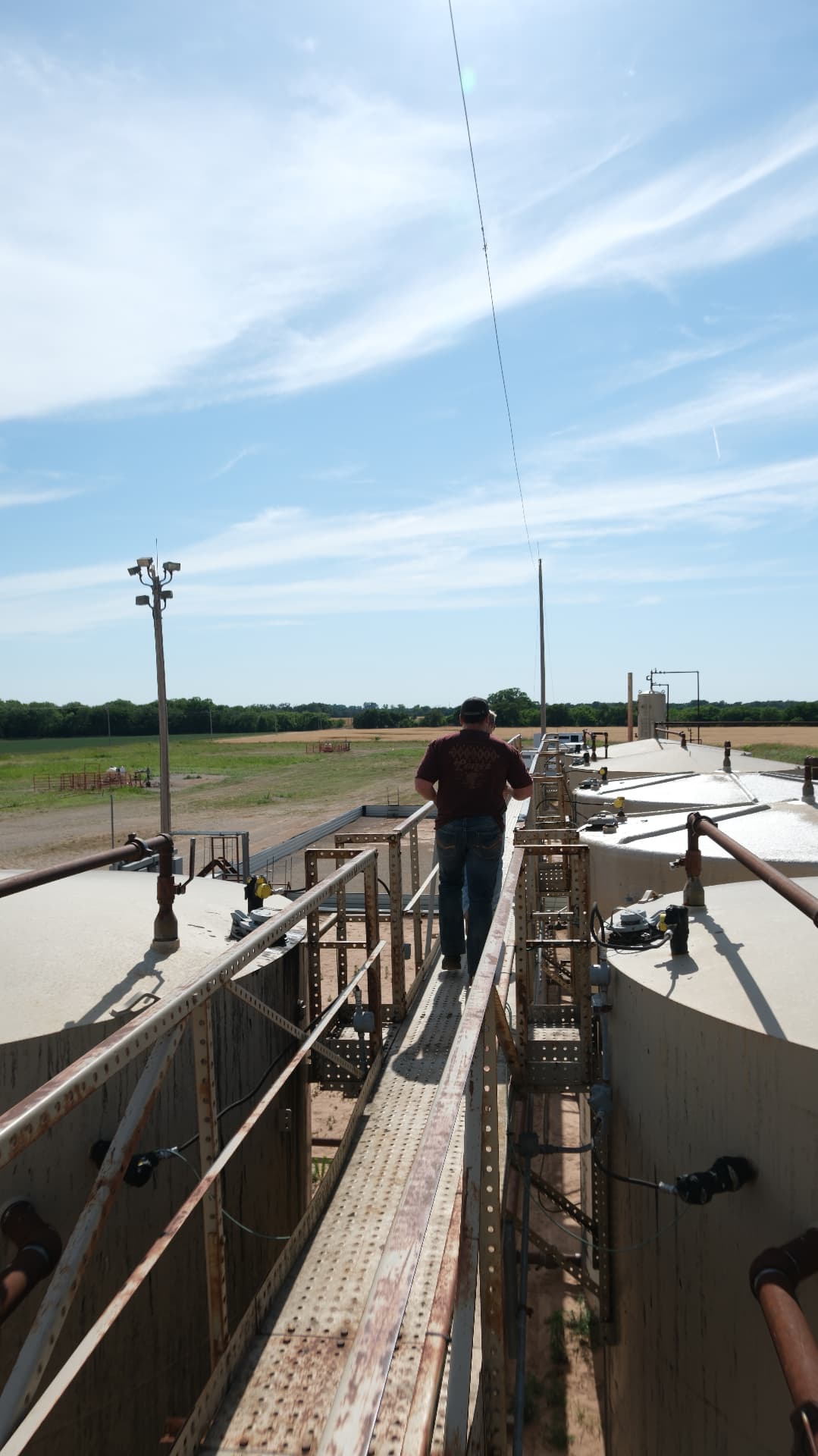
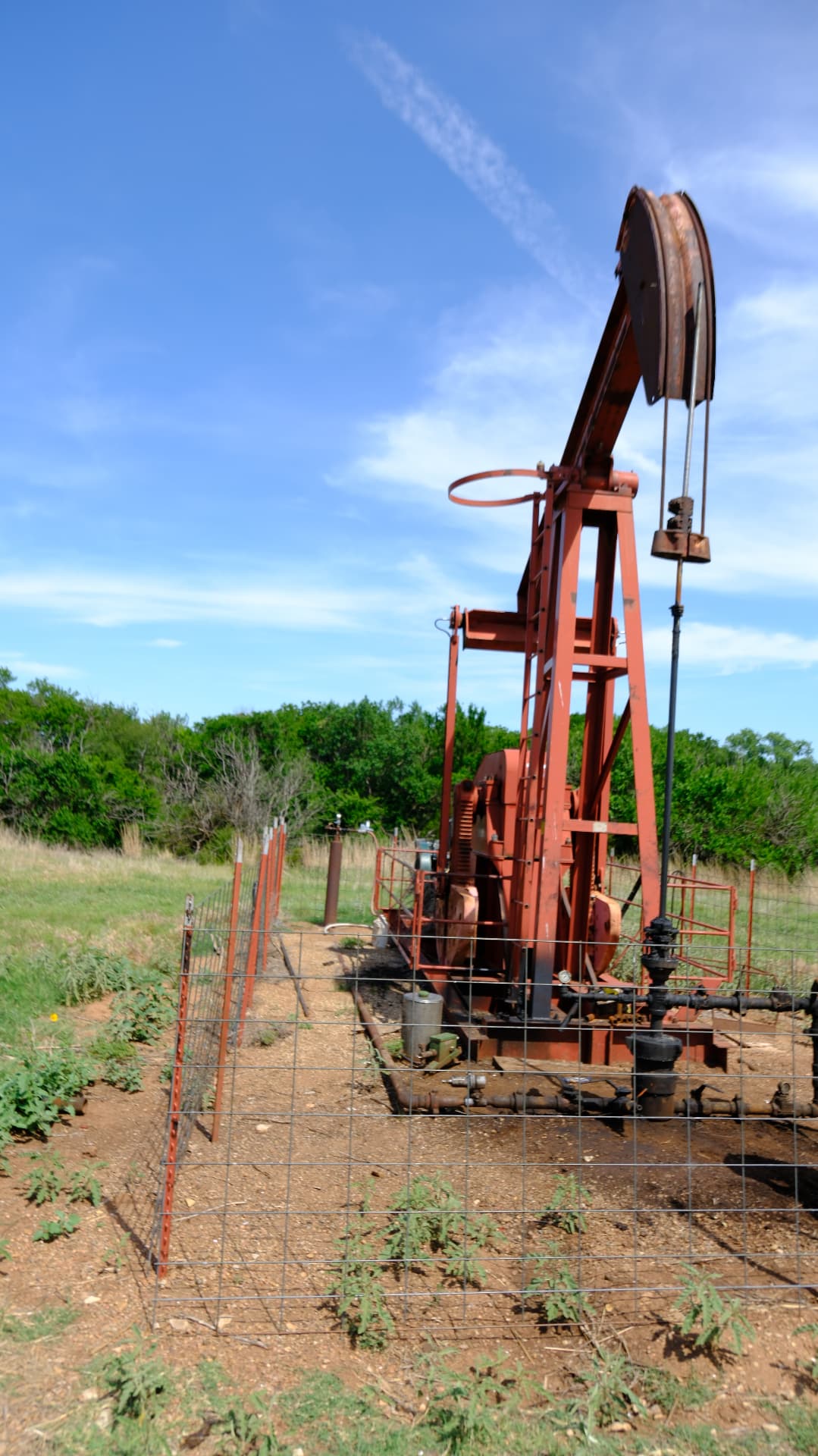
A stripper well produces under fifteen barrels of oil equivalent per day, and in the United States there are hundreds of thousands of them. Collectively they account for roughly a tenth of domestic oil production, which means the marginal barrel in this country is not a shale barrel — it is a shallow, decades-old barrel lifted by a pumping unit somebody's grandfather set. Oklahoma and Kansas are dense with them. Understanding whether one of these wells is profitable is not a reservoir question, because the decline is already flat and the reserves are already largely known. It is a cost-per-barrel question, and cost per barrel on a stripper well is dominated by fixed expenses.
Work the arithmetic on a single ten-barrel-per-day well. At a realized price in the low sixties after differential, gross revenue is roughly $19,000 a month before royalty. Take a quarter off the top for royalty and severance and you are near $14,000 net. Now subtract the fixed side: pumper visits, electricity for the motor, chemicals and lubrication, water hauling or disposal fees, insurance, surface rental, and administrative overhead. In most Mid-Continent operations that stack lands somewhere between $4,000 and $8,000 a month depending on water cut and disposal arrangements. The well is comfortably profitable — until the water cut climbs, the rod string parts, or a single $30,000 workover erases a quarter of margin.
That is the actual risk profile of stripper economics: revenue is steady and modest, while cost is lumpy and event-driven. Which means the profitability of a stripper package is set less by the price deck than by three operational variables. Water is the first — every extra barrel of water hauled instead of disposed on-lease is pure margin leaving the property. Failure frequency is the second, and it is manageable through rod and pump design, correct stroke settings, and paraffin control rather than luck. Downtime is the third and most underestimated: a well that quietly sits off for eleven days before anyone notices has surrendered a third of the month's cash flow, and on shallow wells that outage often costs more than the repair itself.
This is why per-well operating discipline beats scale in this segment. Operators who run stripper wells well share a pattern: they cluster their wells geographically so one pumper covers many, they monitor pressure and runtime instead of relying on visual checks, they keep a spare pump and rods on the yard, and they plug the genuinely dead wells instead of carrying them as a liability. Do those four things and a package that looked like breakeven at acquisition often runs at a thirty to forty percent operating margin within a year. That gap — between how a stripper package performs under neglect and how it performs under attention — is where most of the money is made in Oklahoma and Kansas today.