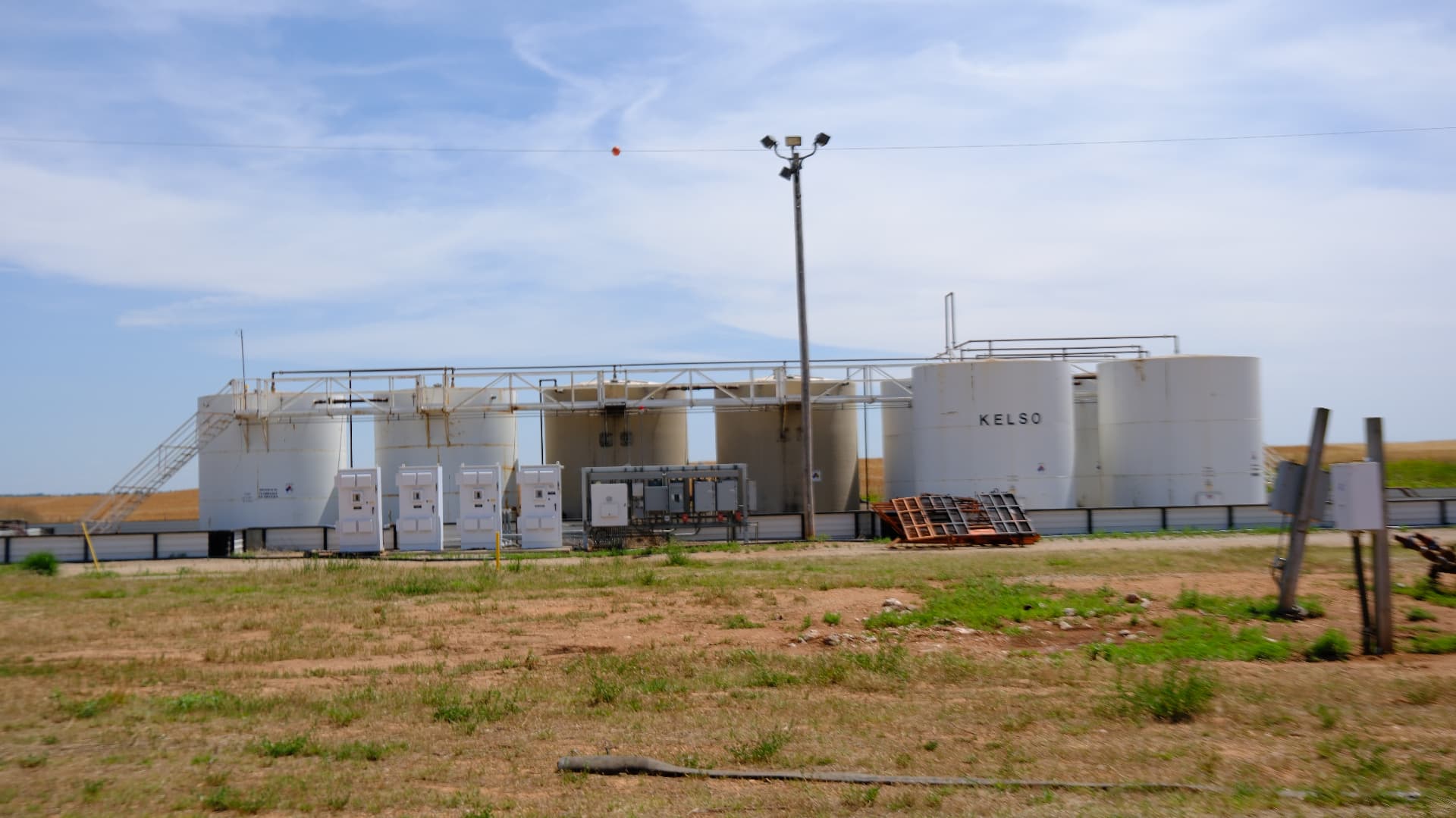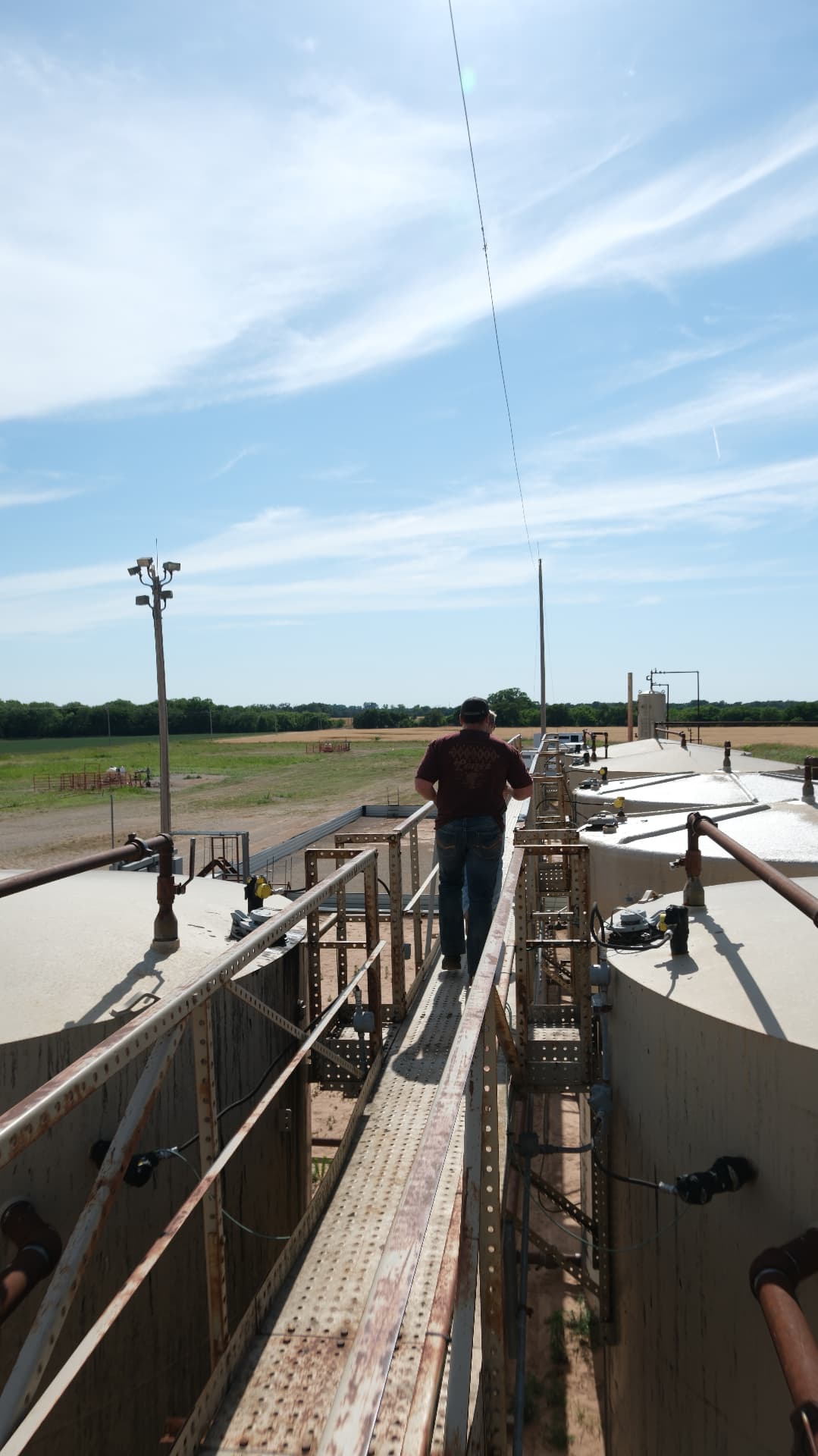
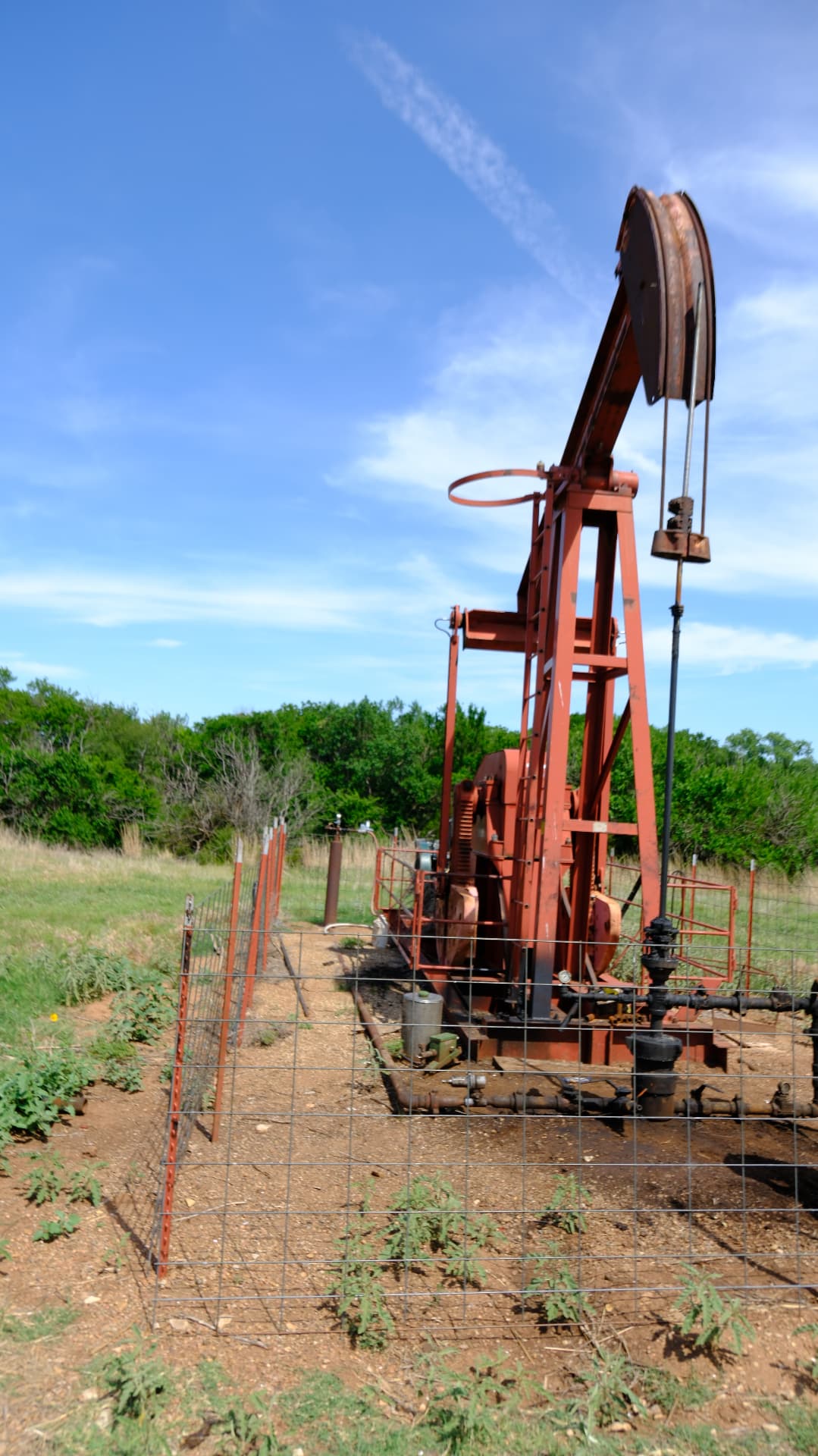
Evaluating a stripper well is not a geology exercise, and treating it like one is how buyers waste six weeks on a deal that a single afternoon of records work would have killed. The reservoir has already told you what it will do: the decline is flat, the drainage is established, and the remaining reserves are largely a function of how long the operating margin stays positive. What you are actually underwriting is a small business with fixed costs, a maintenance schedule, and a regulatory file. So work in that order — records first, cost structure second, mechanical condition third, and price last.
Start with volumes you can verify independently of the seller. Pull twenty-four months of run tickets and gas settlement statements, then reconcile them against the state's reported production for the same API numbers. Disagreements are common and usually innocent — allocation between wells on a common battery, a lagging filing — but a gap you cannot explain is a reason to slow down. Convert everything to net volumes using the actual working interest and net revenue interest from the division orders, not the interest recited in a marketing sheet. Then check realized pricing: the differential to WTI, gathering and transport deductions, and any percent-of-proceeds gas contract that quietly takes a third of the gas value.
Next, rebuild the operating cost from the ground up rather than accepting a monthly LOE figure. Ask for twelve to twenty-four months of lease operating statements and separate the fixed line items — pumper, electricity, chemical, insurance, surface rental, administrative overhead — from the event-driven ones like workovers, hot oil treatments, and water hauling. Water is the single most important variable on a shallow well: a lease trucking two hundred barrels of water a day to a commercial disposal is a different business than one injecting on-lease, and the difference can be the entire margin. Then walk the location. Rod and tubing condition, the state of the tank battery, whether the flowline is patched or replaced, and how the site drains all tell you what your first-year capital will actually be.
The three things that kill these deals are title, idle wells, and bonding. Confirm the leases are held by production and that no assignment in the chain reserved something material; confirm every wellbore on the lease is either producing, permitted as temporarily abandoned, or plugged; and confirm the transfer of operatorship can actually happen with the bond you are able to post. Only after those clear should you price the deal — bid the producing cash flow at a payback you would accept if crude never moved again, treat every reactivation candidate as free option value rather than paid-for value, and fund the plugging liability from day one. A stripper package underwritten that way rarely disappoints; one underwritten off a stated production number and an optimistic LOE almost always does.