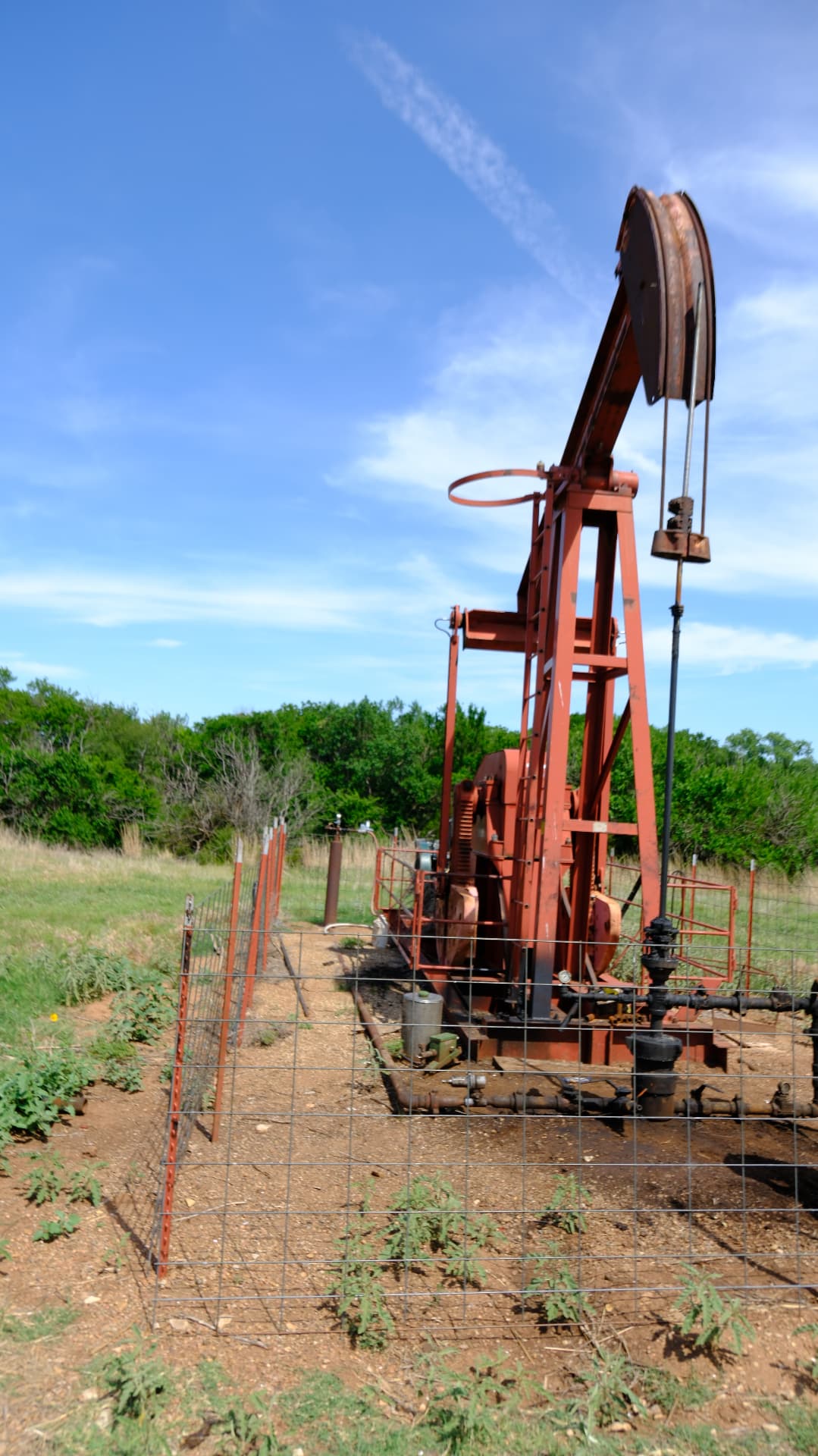
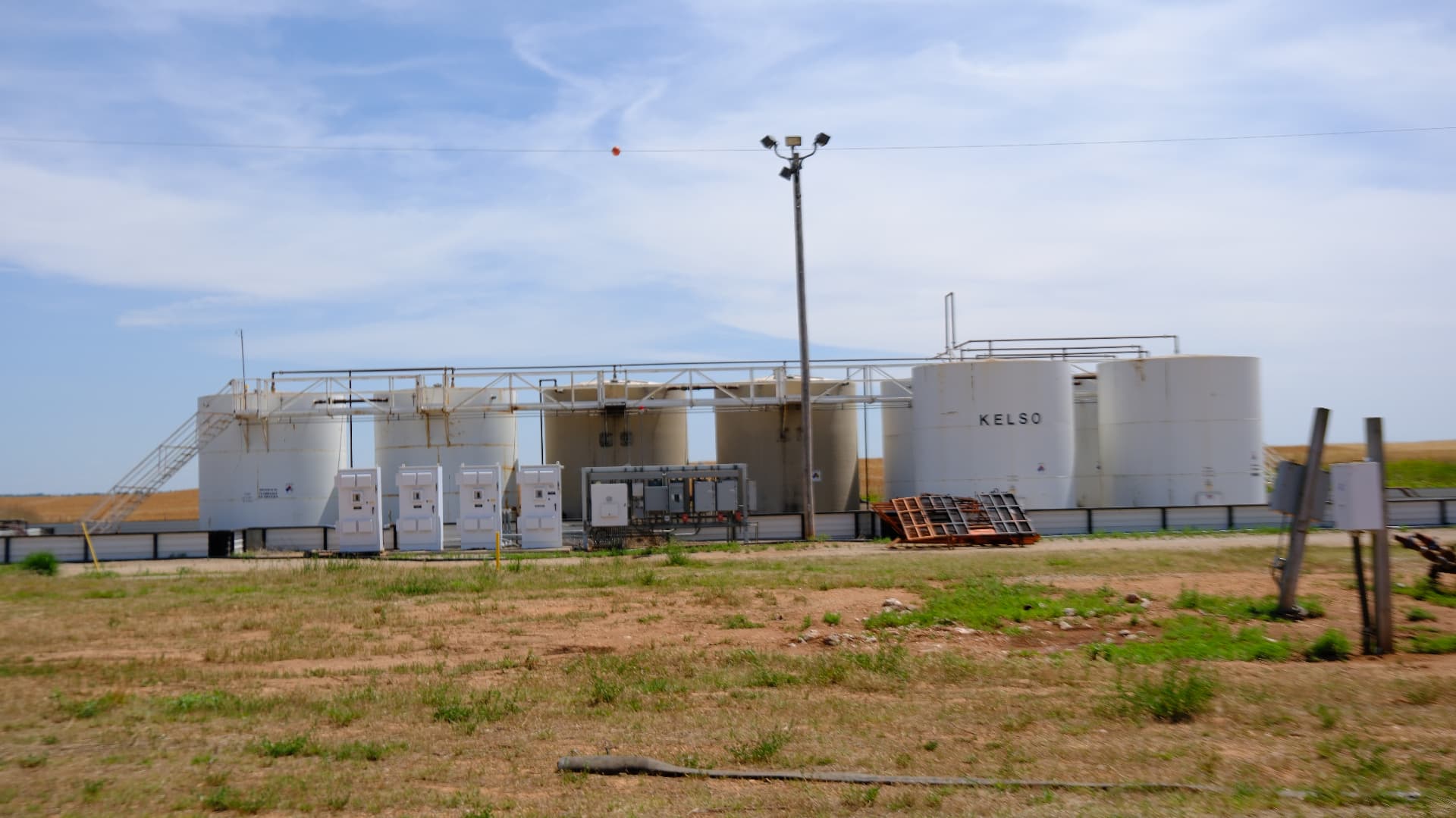
PDP — proved developed producing — is the reserve category that describes barrels coming out of existing wellbores under existing completions with existing equipment. It is the only category a cash buyer of a small package should pay full value for, because everything else in a reserve report requires capital, permits, or optimism you have not yet spent. When a seller presents a package as a reserve number, the first job is to strip the report back to PDP alone and ask whether the deal still clears your hurdle. If it only works with behind-pipe zones and undeveloped locations included, you are being asked to pay today for work you will do and risk you will carry.
Then test the PDP forecast itself against four inputs. The decline: is the hyperbolic fit anchored to the last eighteen months of actual production, or to a type curve borrowed from better wells? The economic limit: at what rate does the well stop covering its own operating cost, and does the report use a realistic per-well fixed cost or an averaged field number that flatters marginal wells? The price deck: is it the strip, a flat internal deck, or a consultant's escalating forecast, and how does the case look at a price fifteen dollars lower? And the differentials and deductions: reserve reports frequently model a cleaner netback than the settlement statements actually show.
Pay particular attention to what the report leaves out. Abandonment liability is often disclosed as a footnote rather than deducted from value, so add it back yourself — every well, including the idle ones, at a realistic Mid-Continent plugging cost. Workover frequency is rarely modeled at all, but on a package of aging wellbores you should expect a recurring capital charge, not a one-time event. Water handling escalation, electricity contracts rolling off, and compression rental on gas wells are all real costs that live outside the LOE line in many reports. And if the effective date of the report is more than six months old, the forecast is already stale relative to the volumes you can verify.
Finally, judge the package by the quality of its file, not the polish of its summary. A defensible PDP package arrives with monthly production by well, lease operating statements, division orders, the leases and assignments, well schematics, current regulatory status for every API number, and a plugging estimate. A package that arrives as a one-page teaser and a decline curve is not necessarily a bad deal — but you are being asked to do the seller's diligence at your own expense, and you should price that work into your bid. The discipline is simple: pay for producing barrels, take upside for free, and deduct every liability in full before you sign.