Most people who say they want to invest in oil are really describing two very different bets. The first is exposure to the price of crude, which you can buy in a brokerage account in ten seconds through futures or an ETF. The second is ownership of a producing asset that sends you money every month, holds surface and mineral optionality, and can be improved with work you control. Those are not the same risk, and confusing them is why so many first-time buyers end up in a drilling program that consumed their capital before a single barrel was sold. If you want yield rather than a story, you buy barrels that already exist.
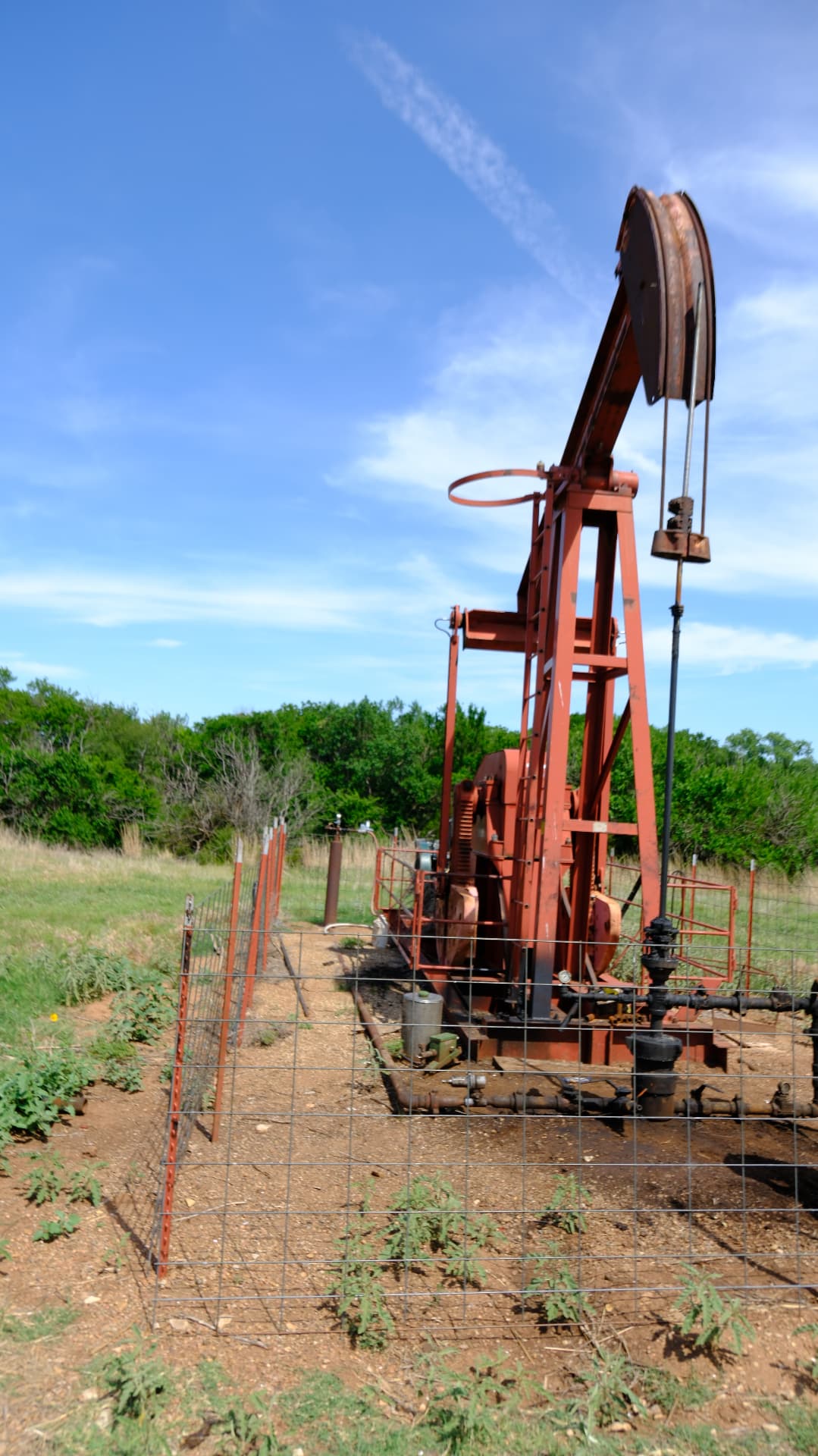
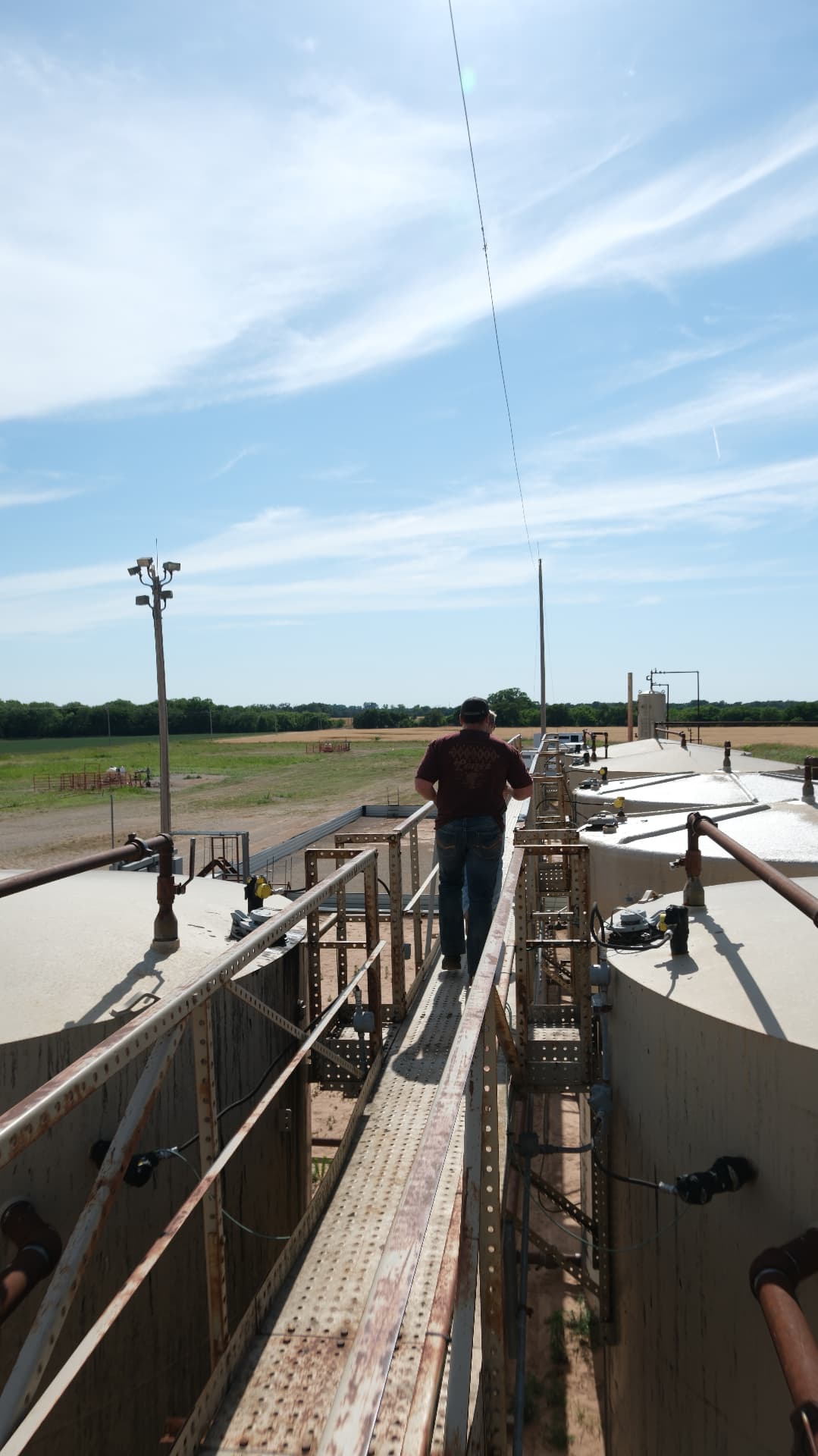
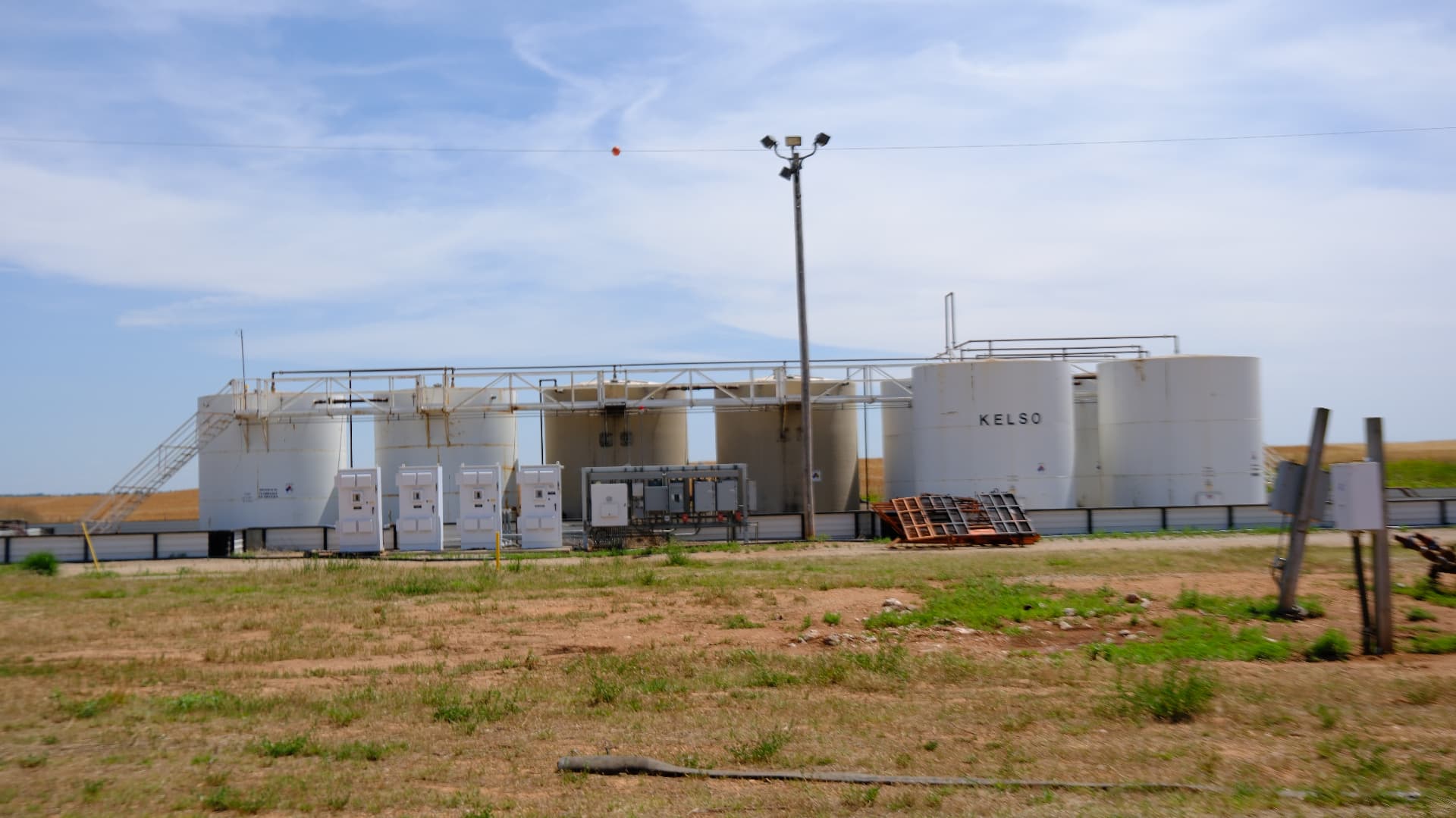
Oklahoma and Kansas are where that second bet is unusually accessible right now. In the Anadarko Basin, the Cherokee Platform, and the Hugoton area of southwest Kansas, thousands of shallow, low-rate wells are held by operators who are aging out, cleaning up their portfolio, or simply tired of chasing a two-man pumping crew across three counties. Packages of five to thirty wells trade at valuations a Permian buyer would find absurd, largely because the deals are too small for institutional capital and too complicated for a passive investor to underwrite from a spreadsheet. That inefficiency is the entire opportunity, and it is a local one — it exists because the buyer pool is thin, not because the barrels are bad.
Underwriting these deals is mechanical once you know what to ask for. Pull the last twenty-four months of run tickets and gas statements rather than trusting a stated production number, then reconcile them against state filings. Build your economics on actual realized pricing net of the local differential and gathering deductions, not on the front-month screen. Subtract real lease operating expense per well per month — electricity, chemicals, pumping, water hauling, workovers — and treat the number the seller gives you as a floor, not a fact. Then read the plugging liability honestly: idle wells, missing bonds, and expired permits are the difference between a lease that pays you and a lease that bills you.
What makes the return attractive is that the upside does not require a rig. Returning two shut-in wells to production, converting a marginal well from a rental engine to grid power, dropping a tubing size, or renegotiating a water disposal rate can move net cash flow more than a price rally will. Those are operational decisions inside your control on a timeline of weeks. Buy at a payback you would accept if crude never moved again, keep enough working capital to fix what breaks in the first six months, and let commodity price be the bonus rather than the thesis. That is the version of oil investing that survives a bad year — and it is exactly the profile of deal we track most closely in Oklahoma and Kansas.