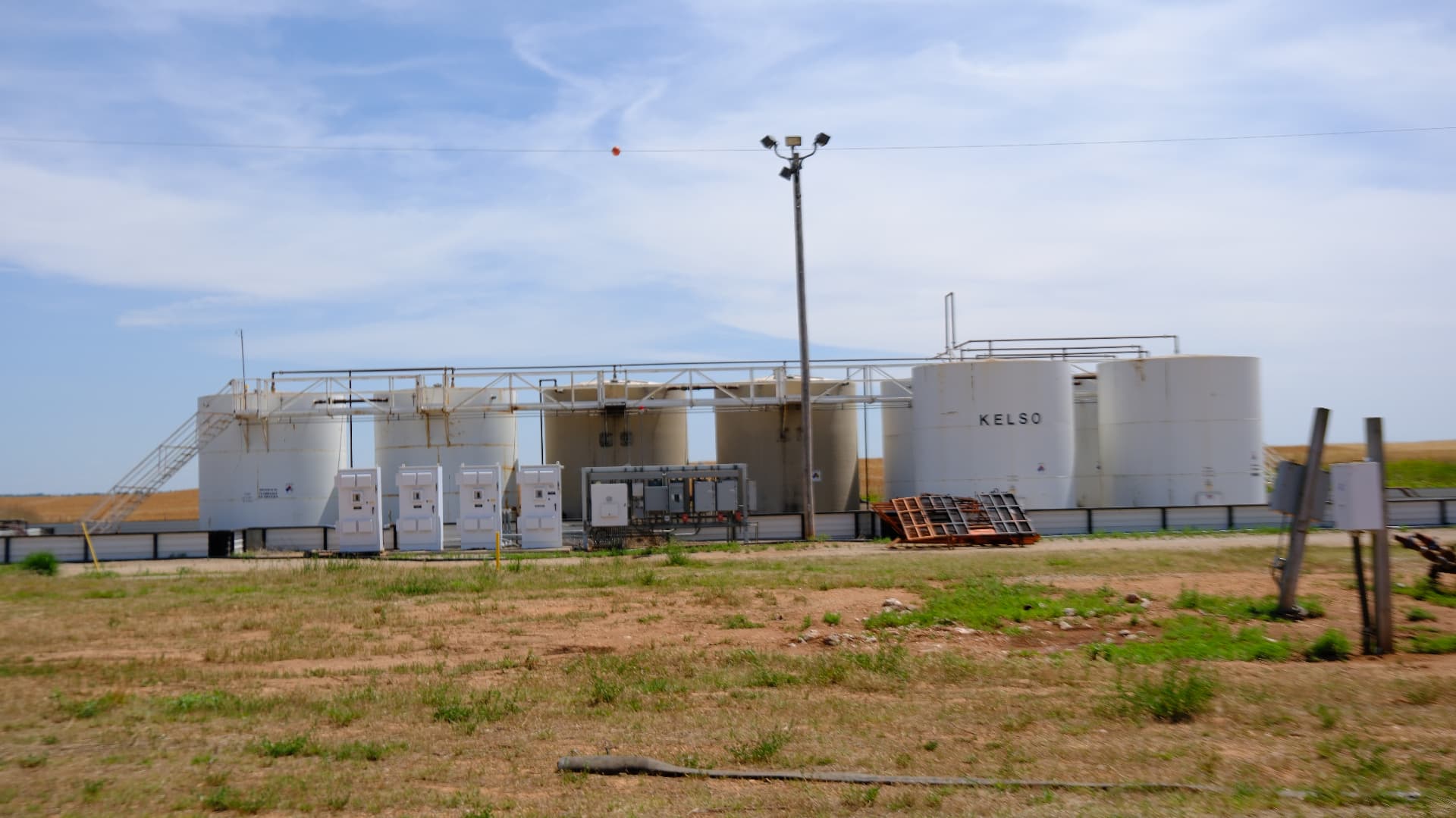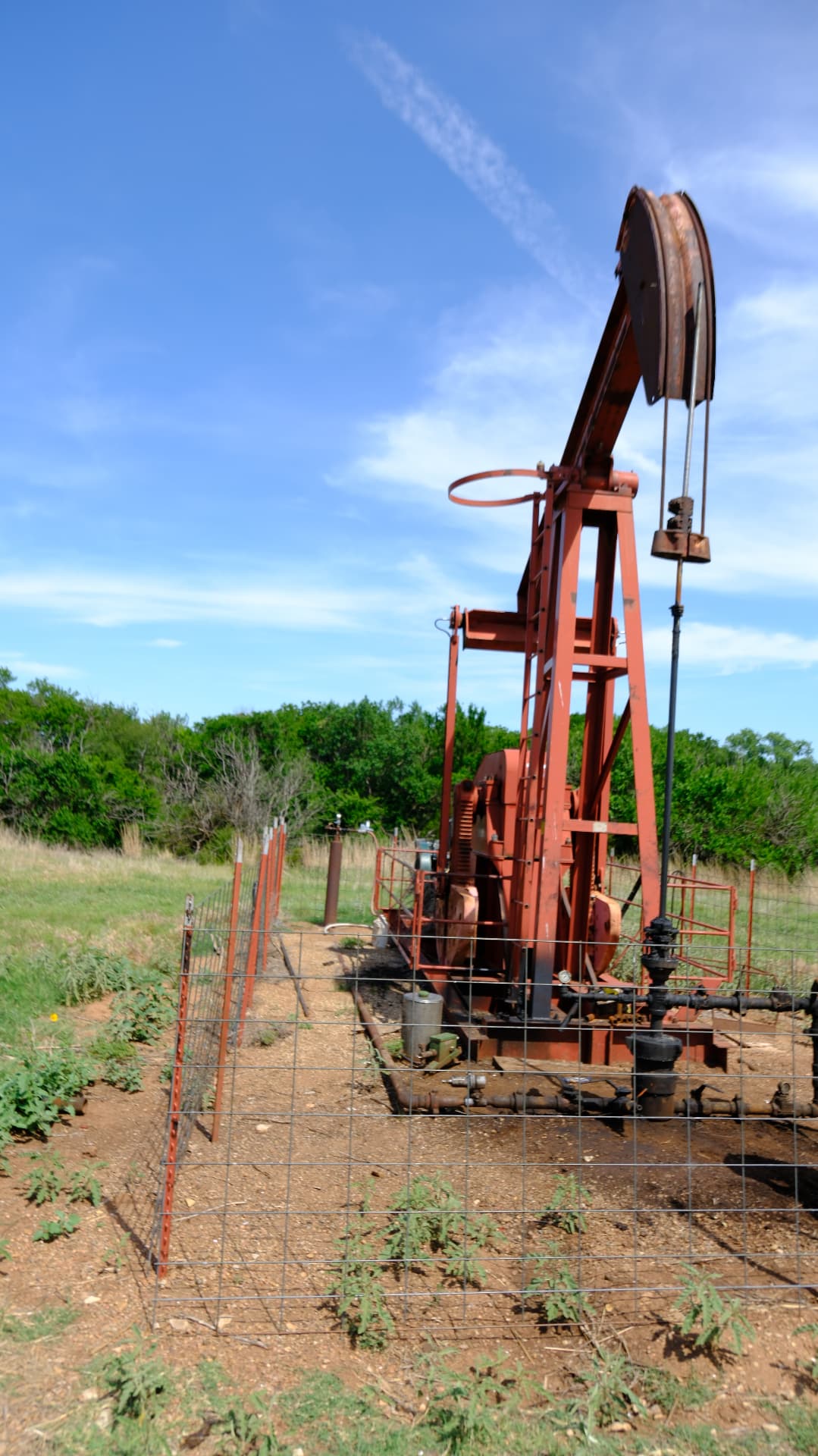
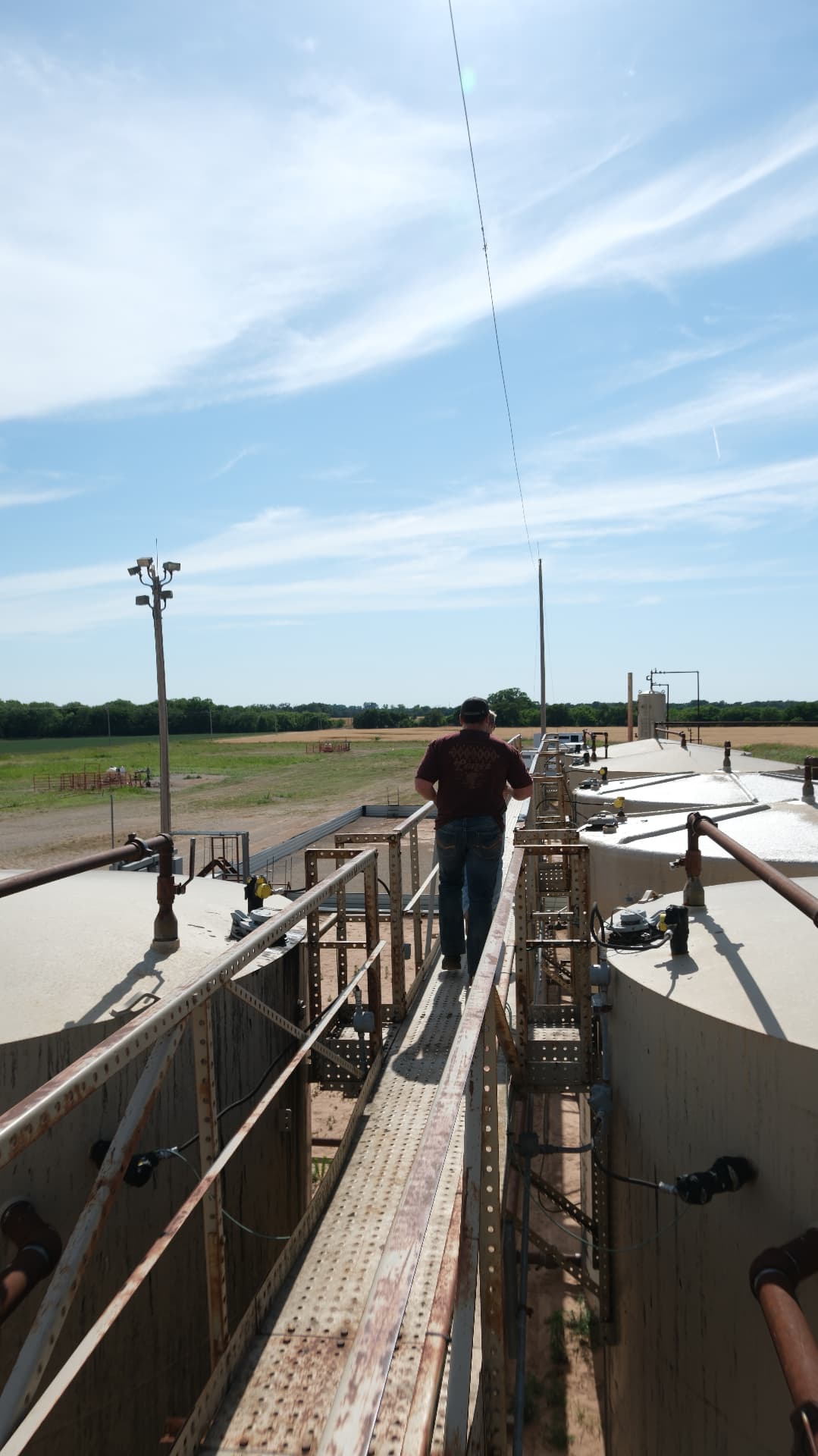
An end-of-life well is one whose remaining production, at current prices and current cost structure, barely covers the expense of keeping it alive. Sellers price these leases against a single frightening number: the cost to plug and abandon. In Oklahoma and Kansas, plugging a shallow well typically runs between $10,000 and $35,000 depending on depth, casing condition, and site restoration, and a package with eight idle wells carries a real six-figure obligation that no amount of optimism removes. That obligation is precisely why late-life packages change hands at a discount — and why the buyer who quantifies it accurately, well by well, is negotiating with better information than the market.
The return on these deals comes from separating the package into three buckets before you close. Bucket one is wells that produce today and simply need cost relief — pump changes, electricity conversions, disposal renegotiation. Bucket two is wells that are shut in but mechanically recoverable, where a swab test, a perforation add, or a return to a bypassed uphole zone can restore rate for a fraction of new drilling cost. Bucket three is genuinely finished wells that exist only as liability, and those should be plugged deliberately and early rather than carried. A common outcome in the Mid-Continent is a 40/30/30 split, and the value of the deal is decided by how fast you execute on the middle bucket.
The math rewards that discipline sharply because reactivation capital is small relative to the cash flow it unlocks. A $60,000 return-to-production effort that restores twelve barrels a day at a $30 per barrel operating margin pays back in roughly six months and continues producing for years on a shallow decline. Compare that to a new shallow well at ten to twenty times the capital with real geologic risk attached, and the case for buying existing wellbores instead of drilling new ones is not close. The constraint is not the availability of candidates — Oklahoma and Kansas have thousands — it is having the operational bench to work through them and the balance sheet to absorb the plugging costs on schedule.
So the honest underwriting rule for end-of-life packages is this: bid the producing cash flow at a payback you would accept with no upside, treat every reactivation as optional rather than as value you have paid for, and fully fund the abandonment liability from day one instead of hoping regulation stays quiet. Buyers who follow that rule find that a lease the seller viewed as a burden becomes a durable, modest, genuinely profitable asset — and the ones who skip the liability work end up funding someone else's exit. We spend most of our time evaluating exactly these packages across Oklahoma and Kansas, which is why we would rather look at a tired lease with good records than a clean story with none.