Kansas and Oklahoma are two of the friendliest states in the country for a small buyer to acquire producing leases, largely because the public record is genuinely usable. In Kansas, the Corporation Commission's oil and gas records give you well completion data, production history, and operator licensing; in Oklahoma, the Corporation Commission's filings and the Tax Commission's gross production records let you cross-check volumes independently of the seller. Before you spend money on a title attorney, spend an afternoon in those records. Most bad deals reveal themselves as a mismatch between what the seller says the wells make and what the state says they made.
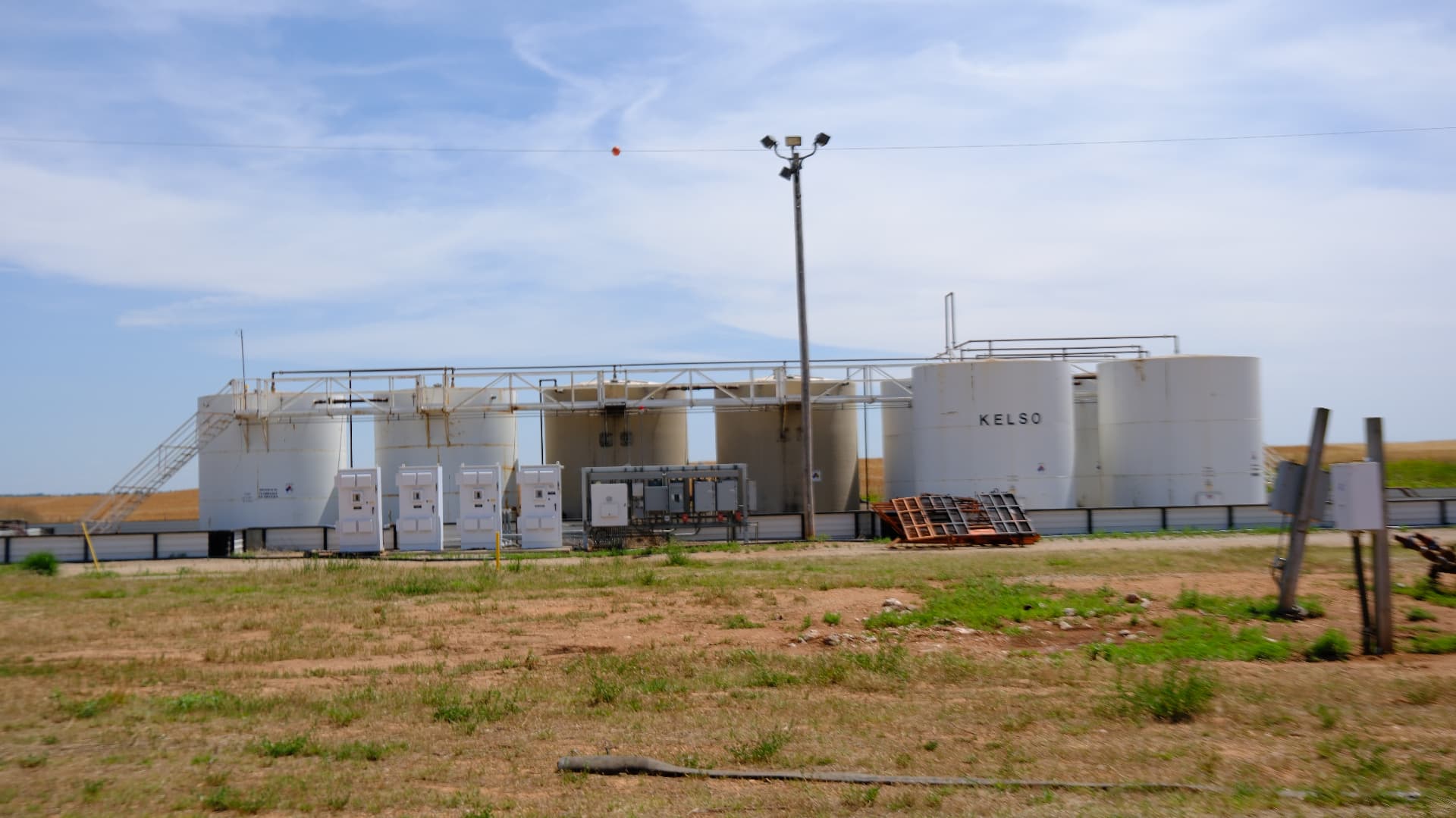
The title work runs in the county, and it runs by lease rather than by well. Pull the lease, every assignment in the chain, and any pooling or unitization order that affects the tract, then confirm the leases are genuinely held by production and that no prior assignment reserved an overriding royalty that erodes your net revenue interest below what was represented. Read the division orders against the assignments: the number you get paid on is the one in the division order, and mismatches between the two are the most common surprise in Mid-Continent deals. Confirm the surface arrangements too — access roads, tank battery sites, and saltwater disposal easements are frequently informal and just as frequently expired.
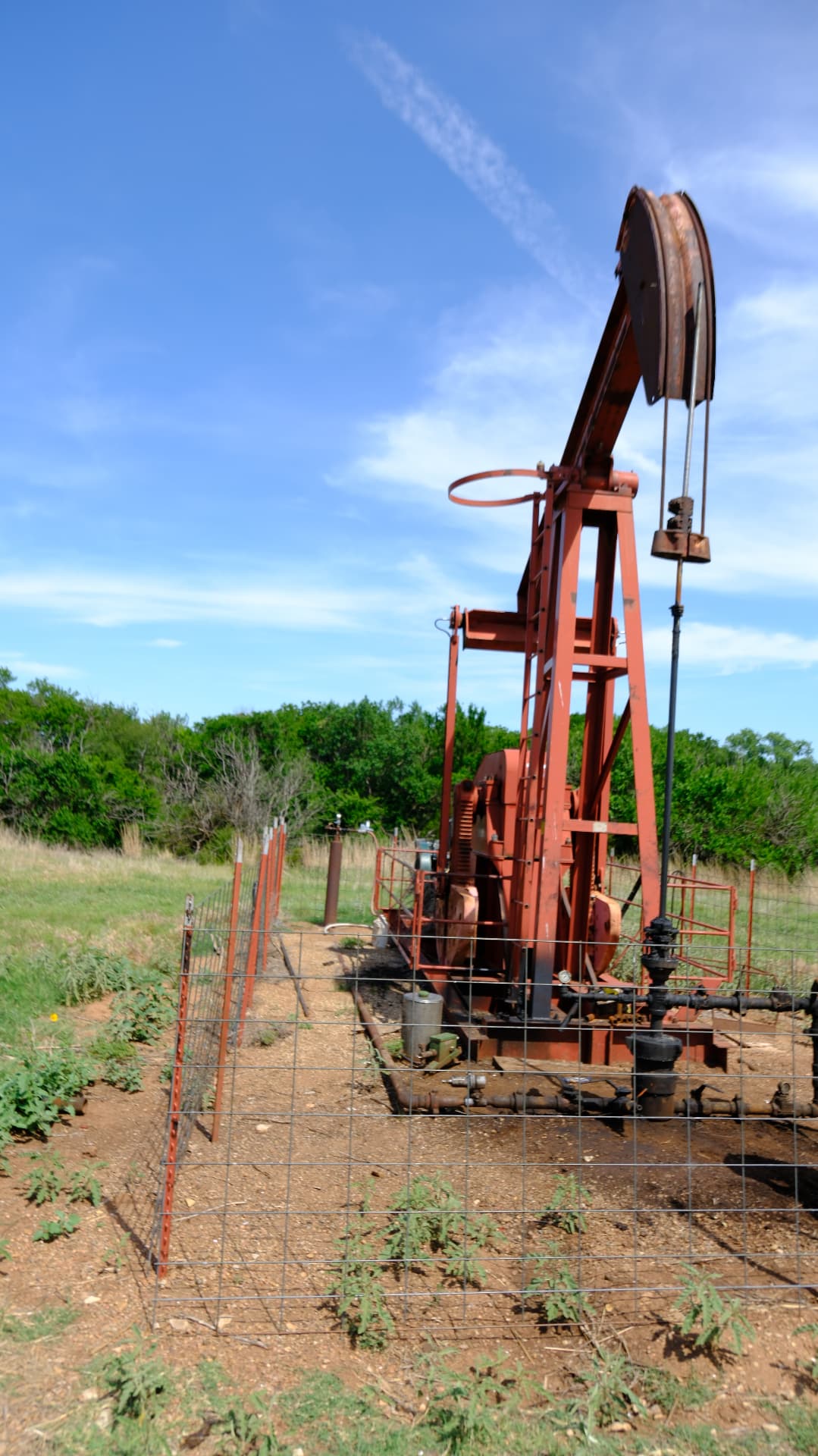
Regulatory and liability diligence is where these states differ enough to matter. Both require a licensed operator with financial assurance in place before operatorship transfers, and neither will let a change of operator through with outstanding compliance items on the wells. So inventory every API number on the lease and put it in one of three buckets: active, inactive with current temporary abandonment status, or out of compliance. Out-of-compliance and long-idle wells become your plugging obligation the day you take over, and in both states a shallow plug and site restoration realistically runs ten to thirty-five thousand dollars a well. Also verify who holds the disposal permit if the package depends on on-lease injection, because losing that permit converts a profitable lease into a trucking bill.
Then close on mechanics rather than on trust. Set an effective date and a clear split of revenue and expense either side of it, escrow the plugging liability rather than covering it with a handshake, require the seller to deliver twenty-four months of run tickets and lease operating statements as a closing condition, get the change-of-operator paperwork signed at closing rather than after, and notify the crude purchaser and gas gatherer early so payments do not stall for two months. None of this is exotic — it is the same list every time — but running it in order is the difference between owning a lease that pays you in the first month and owning a lease that bills you for a quarter before it starts.